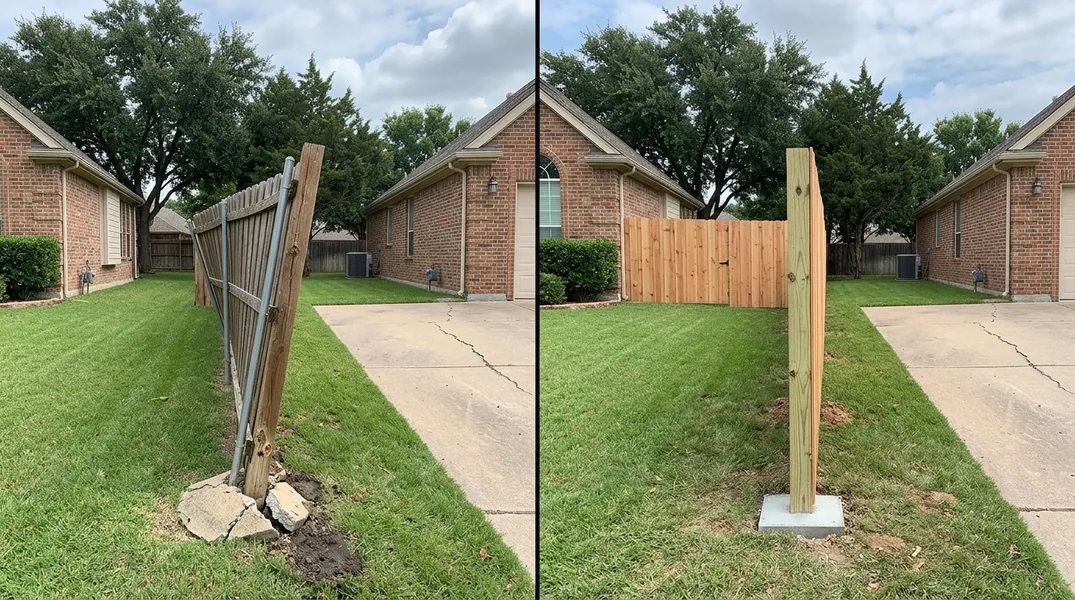
Understanding Texas Fence Law and Property Lines
When it comes to fences on a Plano property line, many homeowners are surprised to learn that Texas law doesn't automatically require neighbors to share the cost equally. Instead, the state follows what's known as the "spite fence" doctrine and relies heavily on local ordinances and deed restrictions. Understanding these rules is crucial before you invest in Wood & Privacy Fence Installation along your property boundary.
Texas Property Code Section 207.003 addresses fence responsibility, but it's more limited than many homeowners expect. The law primarily protects neighbors from malicious "spite fences" built solely to annoy or harm a neighbor. However, it doesn't mandate cost-sharing for standard boundary fences. This means the burden of payment often falls on whoever wants the fence built in the first place. If you're the one requesting a new fence for privacy, security, or aesthetics, you may be responsible for the entire cost unless you have a written agreement with your neighbor stating otherwise.
Who Pays When One Neighbor Requests the Fence
The general rule in Texas is straightforward: the neighbor who requests the fence typically pays for it. This principle applies whether you're installing a Vinyl & PVC Fence Installation or a traditional wood barrier. If you approach your neighbor and say, "I'd like to build a fence on our property line," you should expect to cover the cost yourself unless your neighbor agrees in writing to split expenses. This can be a significant investment, so it's important to budget accordingly and understand your financial responsibility before moving forward.
However, there are exceptions to this rule. If your neighbor is the one requesting the fence and you agree to share the cost, you can formalize this arrangement with a written agreement. Some homeowners in Plano also discover that local city ordinances or HOA rules may impose different requirements. Before starting any fence project, it's wise to review your property deed, check with your local city government, and discuss the matter with your neighbor in writing to avoid disputes later.
The "Good Neighbor Fence" Agreement Explained
A good neighbor fence agreement is a written contract between you and your neighbor that clarifies who pays for the fence, how maintenance will be handled, and what happens if the fence needs repair or replacement. This type of agreement is highly recommended in Texas and can save you from costly disputes down the road. Many homeowners don't realize that without such an agreement, they may be stuck with 100% of the maintenance costs, even if the neighbor benefits equally from the fence's privacy or security features.
When drafting a good neighbor fence agreement, consider including details about the fence style, materials, pricing, installation timeline, and maintenance responsibilities. For example, you might agree that both neighbors split the initial installation cost 50/50 but that each neighbor maintains their side of the fence. You could also specify that if the fence needs replacement in 15 years, costs are split equally again. Having this documentation in writing protects both parties and makes it clear who is responsible for what. If you're unsure how to structure such an agreement, consulting a local attorney is a smart investment.
Local Ordinances and Plano Fence Regulations
Every city has its own fence ordinances, and Plano is no exception. Before you install any fence, you need to check your city's code to understand setback requirements, height restrictions, and whether permits are required. Some cities have "spite fence" ordinances that go beyond the state law, imposing stricter rules about fence height, materials, and purpose. These local regulations don't necessarily determine who pays for the fence, but they do affect what kind of fence you can legally build.
Plano's municipal code addresses fence requirements in residential areas, and violating these codes can result in fines or an order to remove your fence. Additionally, if you live in a neighborhood with a homeowners association, your HOA may have its own fence rules that supersede city ordinances. Some HOAs require approval before any fence installation and may even have preferred contractors or materials. It's essential to do this homework before committing to a project. Contact your local city planning department or review your HOA documents to ensure your planned fence complies with all applicable rules.
Wood & Privacy Fence Installation Cost in Plano: What to Budget
The cost of a fence depends on several factors, including the type of material, the length of the fence, site conditions, and local labor rates. Wood & Privacy Fence Installation typically ranges from $15 to $30 per linear foot in the Plano area, though premium materials and custom designs can push costs higher. If you're planning a 150-foot fence, you could be looking at anywhere from $2,250 to $4,500 just for materials and labor. Understanding these costs helps you decide whether to request a 50/50 cost-share with your neighbor or absorb the expense yourself.
Other fence options, such as Chain Link Fence Installation or Aluminum & Ornamental Iron Fencing, offer different price points. Chain link is generally the most affordable option, while ornamental iron is typically the most expensive. If you're uncertain about what you can afford or what style suits your property, getting a free estimate from a local contractor like Plano Fence Company is an excellent first step. Call (940) 326-4616 to discuss your project and learn about options that fit your budget.
Steps to Take Before Building a Fence on Your Property Line
Before breaking ground on any fence project, follow these steps to protect yourself legally and financially. First, have your property surveyed to confirm the exact location of the property line. Many disputes arise because homeowners assume they know where the line is, only to discover later that their fence encroaches on the neighbor's land. A professional survey costs $300 to $500 but is money well spent. Second, review your deed and any easements or restrictions that might affect fence placement. Third, check local zoning codes and obtain any required permits from your city.
Fourth, and most importantly, communicate with your neighbor in writing. Send a letter or email explaining your intention to build a fence, the proposed location, materials, and timeline. Ask whether they'd like to discuss cost-sharing. If they agree, put your agreement in writing before construction begins. If they don't respond or decline to contribute, document that as well. Finally, hire a reputable fence contractor who is insured, and familiar with local regulations. Plano Fence Company has served homeowners throughout Plano with professional installation and expert guidance on neighbor agreements and local compliance. Contact us at (940) 326-4616 to discuss your fence project and ensure everything is done correctly from start to finish.
Looking for a professional fence contractor in Plano? Plano Fence Company responds fast for all your fence needs.
Get a Free Quote